
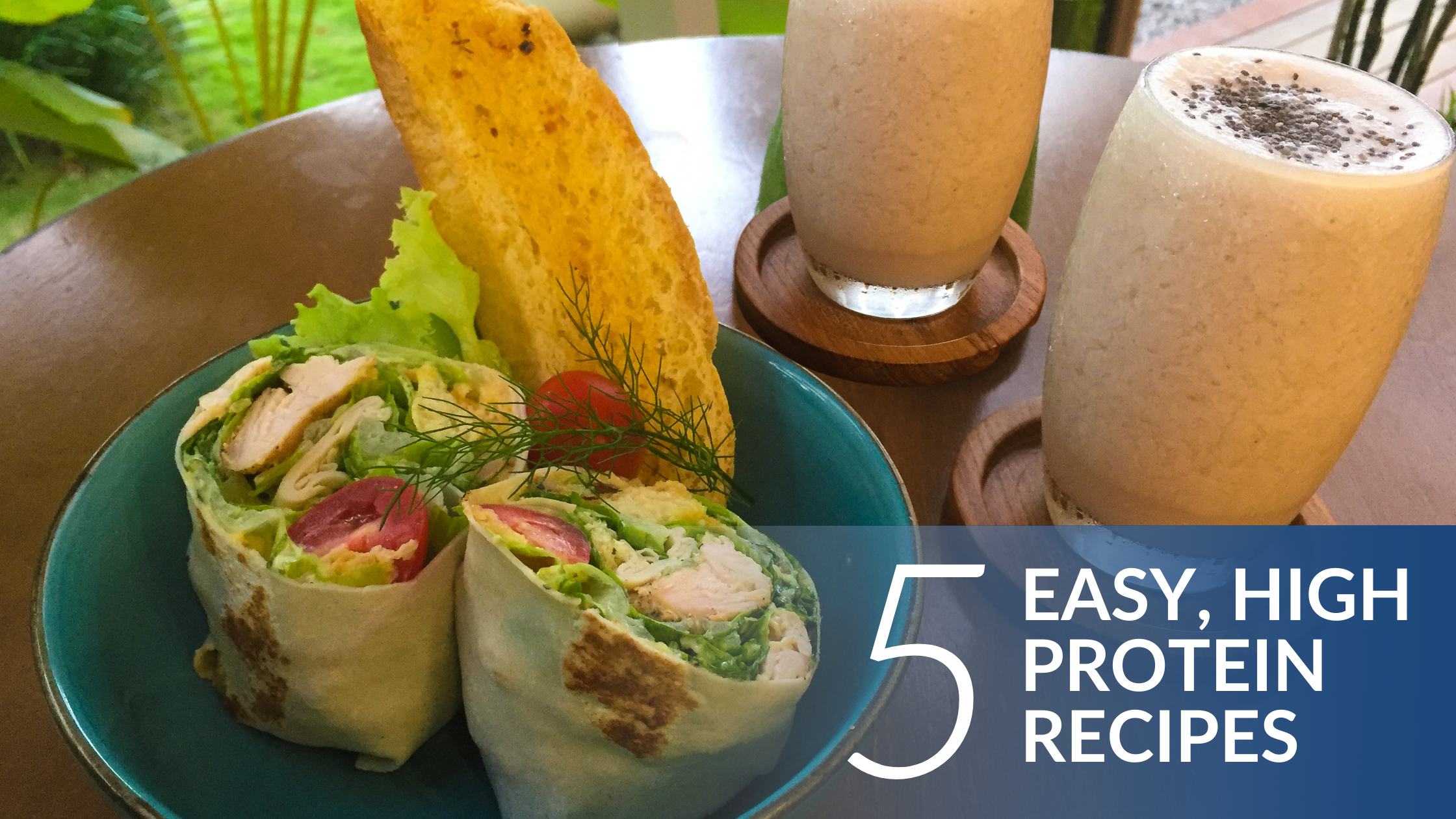
A protein-rich diet is important no matter your age, health, or body composition goals. Adequate protein consumption is especially important as we age. Research shows seniors need more protein to build and maintain muscle than they previously needed in their younger years. Protein is also the most satiating of the macronutrients, meaning we will stay full for longer after each meal. You can’t go wrong adding more protein to your diet! From quick smoothie recipes, light lunch options, and a few easy dinner ideas, here are 5 recipes to try at home.

We get it. Winter can be a challenging time to remain active thanks to the colder weather, less daylight hours and snowy, slippery conditions. Remaining active year round is really important. We've jotted down some tips to help you stay on track with your mental and physical health goals, even as the snow falls!

Living with chronic pain is physically, emotionally and financially taxing. Often, chronic pain sufferers are left with a lot of unanswered questions regarding their current physical state. Why is this injury seemingly not improving for months or even years post injury? Has something been missed on initial diagnosis?
While there is still so much we do not know about the complexity of the human body, we do know that chronic pain is very different from acute pain. Providing our clients with knowledge is one of the best ways to help ease some of the concerns that come with a chronic pain diagnosis.
Recently, we met as a team to discuss our approach to assisting our clients with chronic pain.

Tendonosis is a common and painful condition where the attachment site of a muscle to a bone (the tendon) gets damaged. Previously, these types of injuries were referred to as "over-use" injuries, but that term is no longer believed to be correct. We now know that tendonosis is due to overloading of a tendon.The injury is not caused because a person is using their tendon too much, the injury is caused because they are using their tendon in a manner that it is not designed for or ready for.
Let's look at walking for an example. Many people can walk for an hour with little to no discomfort. During this walk, the muscles of the legs are supporting 100% of the person’s body weight with every step that is taken. Now if we compare that to trying to hold a "wall sit" position or a half squat position, most people will fatigue and have to stop within minutes. A wall sit, or half squat, use the same legs muscles, still only support 100% of the body weight, but they are so much harder to maintain over time. This is primarily due to physics (the angles of the hips and knees), the fact that the muscles are forced to be constantly engaged and holding instead of contracting and relaxing, and that we simply don't do wall sits very often compared to walking. The contrast between walking and holding a squat highlights how it is not always a "weak muscle", or an "over-used" muscle that causes a tendon injury, but rather, a muscle that is used in a way that it is not prepared for or designed for, and is ultimately overloaded.
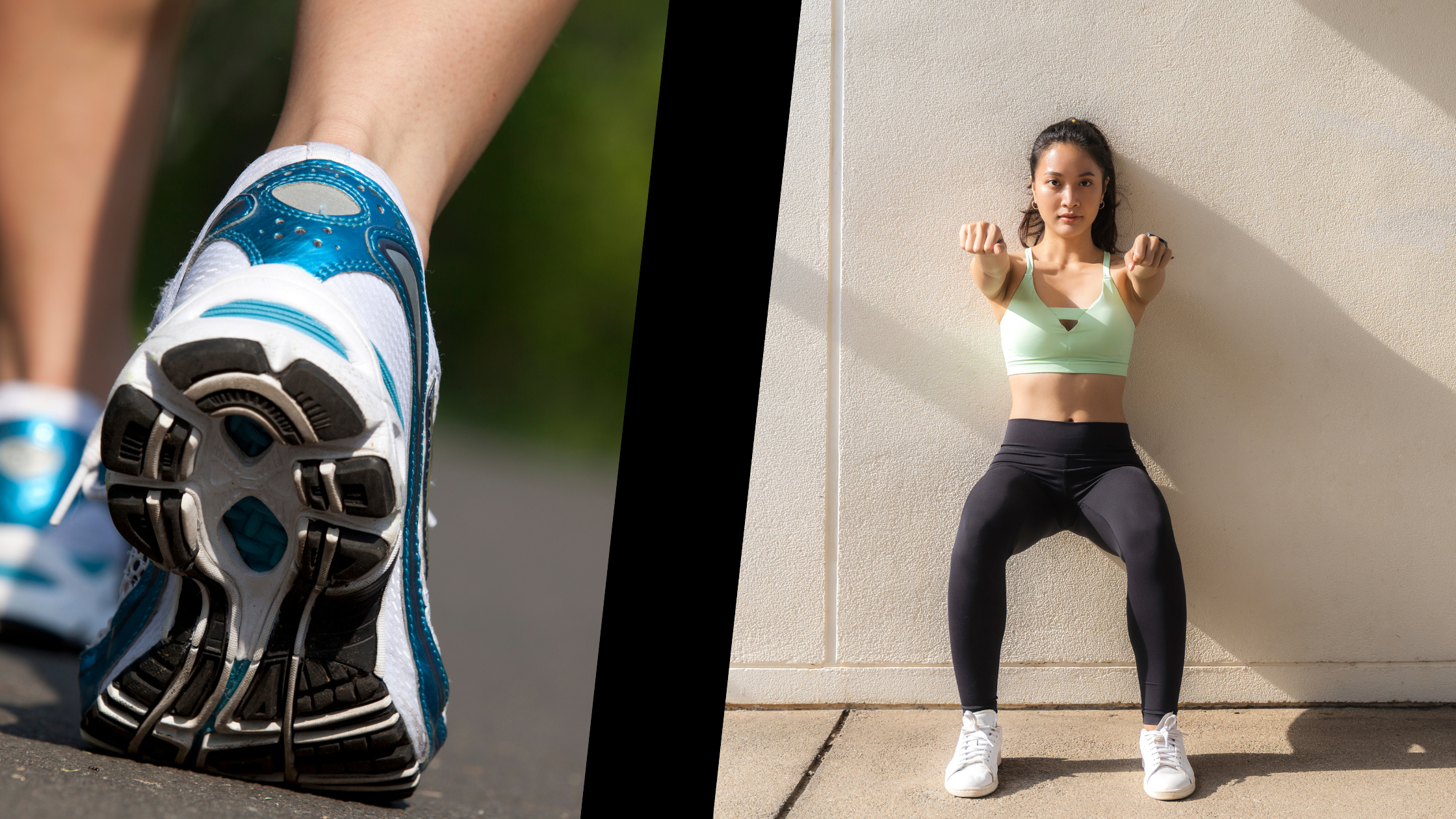
Walking vs. a wall sit: many people can walk for hours with little to no discomfort. A wall sit engages the same muscles and supports the same amount of a person's weight as walking, yet most people fatigue and have to stop within minutes.